

I have been telling actors for over twenty years not to quit. I believe in hard work, discipline, grit, and the ability to stay in the struggle when things become difficult. If you tell me that acting matters deeply to you, then I believe the way you live should support that claim.
You cannot spend your life waiting for inspiration, validation, or the perfect set of circumstances. Serious artists learn how to keep going. They develop a way to navigate the struggle of professional creativity.
I still believe all of that. But as I have gotten older, I have become less comfortable with the simplicity of never quit.

Over the years, I have had a number of former students tell me that they are no longer pursuing acting professionally. Some have become therapists. Others have gone into psychology, social work, education, writing, business, or entirely different professions.
The conversations are often complicated because underneath the decision to move on from acting, there can be a profound sense of loss. After years of training and sacrifice, there is often an unspoken question: Was all of that time wasted?
I don't believe it was. Not if the training was serious.
Actors spend an enormous amount of time waiting for permission. Permission to work, permission to be seen, permission to call themselves professional. Permission from an agent, casting director, director, producer, or somebody else sitting on the other side of the table. Over time, this can create a terrible relationship with auditioning. Instead of walking into the room as an artist with something to offer, the actor walks in hoping to be chosen.
Talent is not enough. It is actually low on the importance scale.
Actors don't always like hearing that because talent feels important. It is the thing we associate most closely with artistic potential, and of course, talent matters. But this profession is filled with talented people who never work. It’s also filled with untalented people who work all the time because they bust their ass and are excellent collaborators. This trumps talent all of the time.
Over the course of a career, what separates the actor who continues to work from the actor who doesn't often has very little to do with talent. It’s hard work and professionalism.
There is an assumption actors can make once they begin working professionally: if I am working, I must be growing. But a career and an artistic life are not the same thing, and one of the things I found most interesting in my recent conversation with Candace Maxwell on my podcast, Creating Behavior, was hearing a successful working actor talk about how hungry she still is artistically.
Great acting looks effortless. That is one of the great deceptions of the art form.
We watch a first-rate actor and see someone completely alive. They listen, respond spontaneously, and seem incapable of anticipating what will happen next.
There is simplicity in the work. Stillness. Ease. Nothing appears pushed or manufactured. And because it looks effortless, it is easy to misunderstand what produced it.
What we don't see are the years of work underneath it. We don't see the thousands of hours spent developing a physical, vocal, and emotional instrument. We don't see the repetition, the failed attempts, the rehearsals, the script analysis, or the attention to detail.
What do you say matters most to you, and does the way you live support that claim?
That's a question I've been thinking about lately, not only as an acting teacher but in my own life.
We all have a story about ourselves. We say we're artists. We say our work matters. We say we want meaningful careers, meaningful lives, and meaningful relationships with the things we love. But what happens if we stop listening to what we say and simply look at how we live?
There is a particular feeling an actor has when they finish serious training.
The work is close to them. Their technique is sharp. Their standards are high. They understand the importance of listening, preparation, imagination, emotional accessibility, and specificity. They know how to break down a script. They understand what it means to craft. Their instrument has been worked on consistently. Most importantly, they have spent years developing a process they can depend on.
They leave school feeling like an artist. And then life happens. A year goes by. Then five. Then ten.
We live in a culture obsessed with visibility. Scroll through social media, and you'll find endless performance. Endless content. Endless branding.
Everyone is trying to be seen. Somewhere along the way, visibility has been mistaken for depth. That should concern every serious artist. Because acting is not content creation. It is not personal branding. It is not the pursuit of followers, likes, or attention.
Acting is an art form. The actor's responsibility is to illuminate the human condition through truthful human behavior. That work requires something increasingly rare in modern culture: depth. Depth requires attention. Depth requires discipline. Depth requires curiosity. Depth requires vulnerability. Depth requires an inner life.
We are living in a culture obsessed with shortcuts. A society that cares about clicks, going viral, achieving fame and celebrity. This has nothing to do with pursuing a professional artistic career.
Quick fame. Quick success. Quick validation. Quick results.
Unfortunately, many actors traffic in this cesspool of superficiality and mediocrity.
Many actors today are being taught to chase visibility instead of craft. Social media presence is replacing artistic development. Confidence is being confused with depth. Performance is being mistaken for truth.
Most actors try too hard. They push, clutter their work with pedestrian choices, and lack the ease, simplicity, and grace required to create something truthful.
They push emotion. They force and indicate behavior. They try to appear interesting, which is very different from actually being interesting. They attempt to manufacture intensity instead of allowing truthful human behavior to emerge organically from genuine experience.
Most actors misunderstand emotion’s place in the craft.
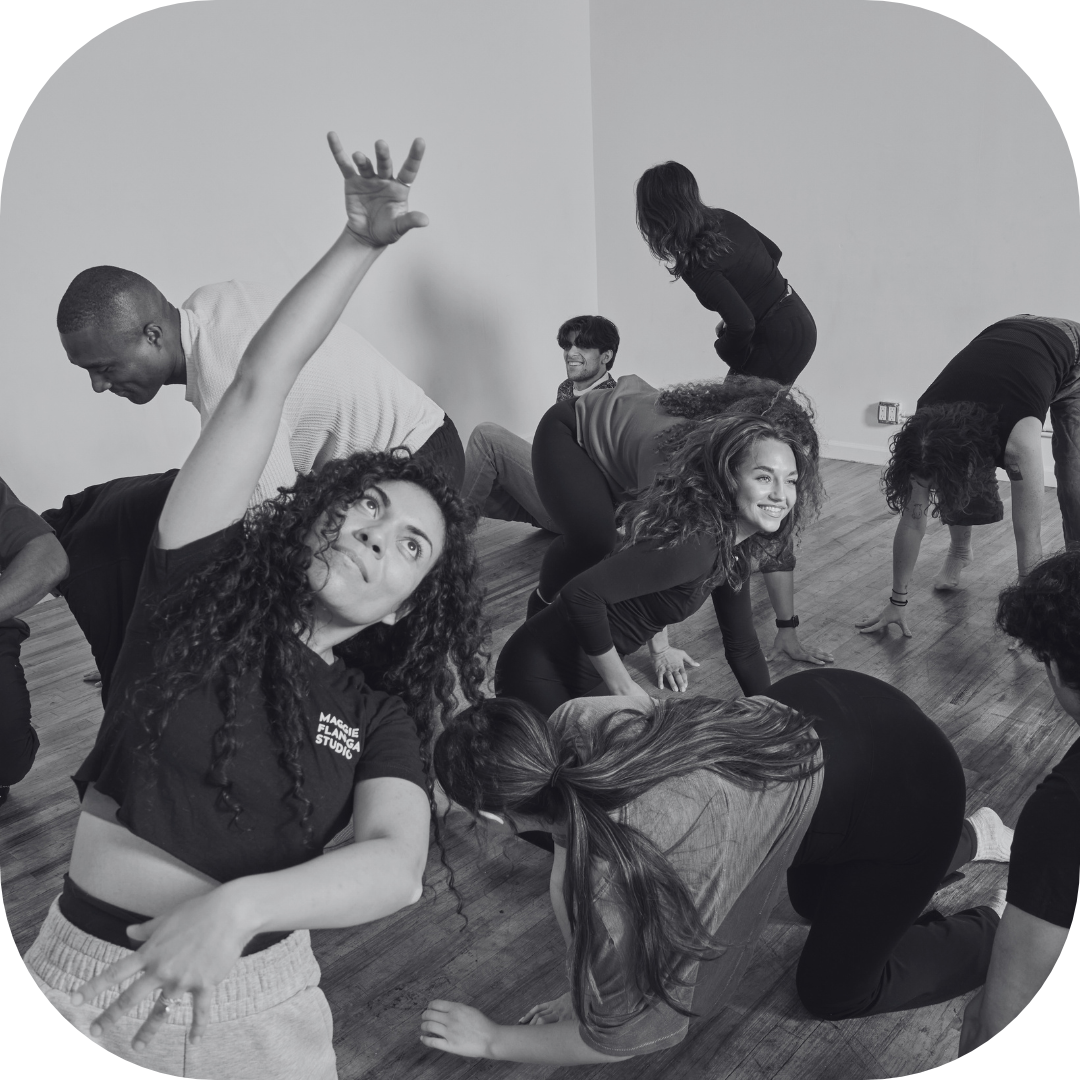
Many actors misunderstand discipline. They misunderstand constructive criticism. They misinterpret accountability.
They view discipline as punishment and criticism as a personal attack. Much of this is rooted in entitlement, immaturity, and a fundamental misunderstanding of what it actually takes to become an artist.
In reality, discipline is what gives stability and form to talent, whatever that talent may be.
Talent without discipline is unreliable.

Most actors do not listen.
They wait.
They wait for their cues.
They wait for their turn to speak.
They wait to indicate the emotion they had already decided they were going to play before the scene even began. It doesn’t matter what or how the other actor is saying or doing, “Just give me my cue so that I can do my line reading.” This is hack acting 101.
It is also one of the biggest reasons so much acting feels false.
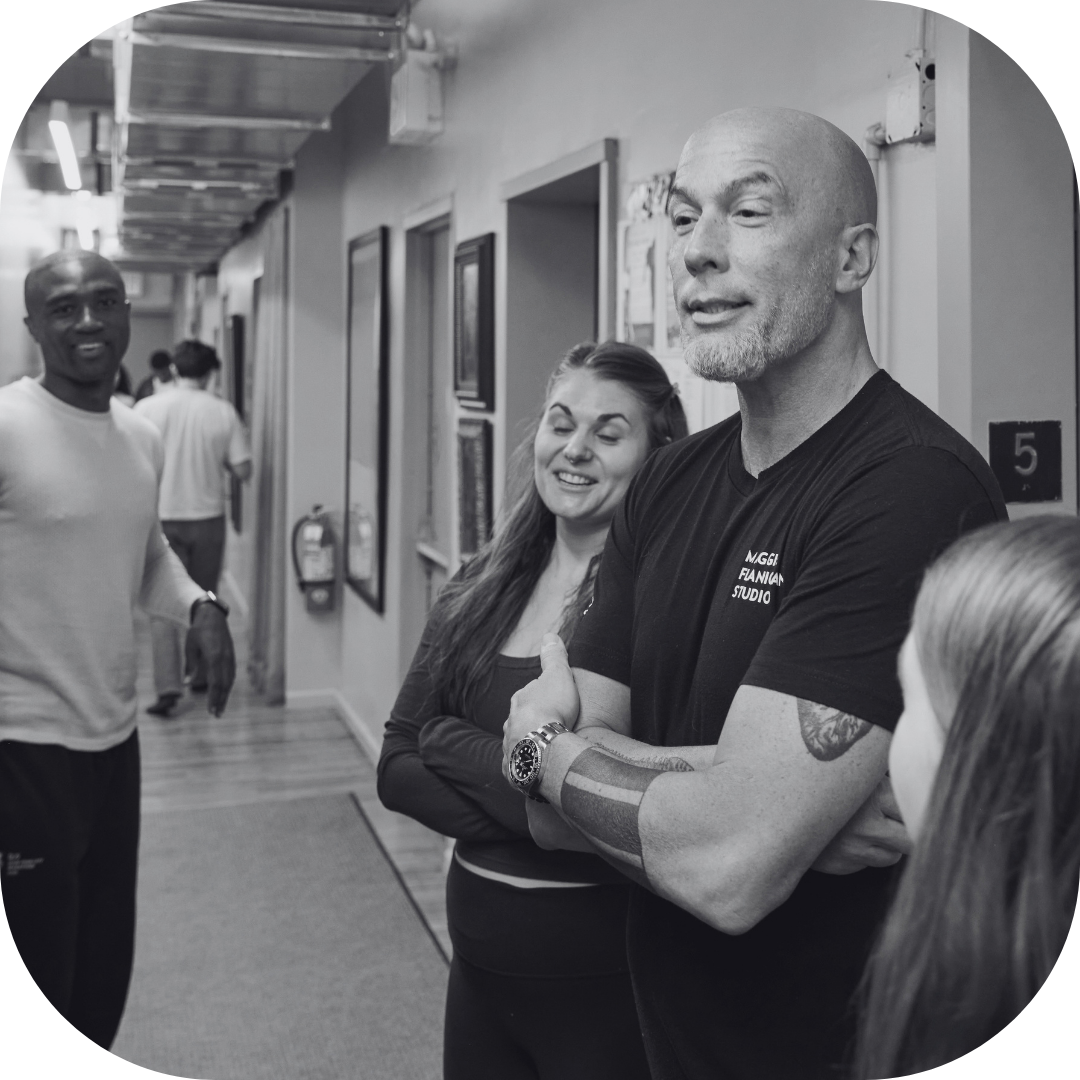
Becoming an actor is often romanticized. Most people fantasize about fame and celebrity, completely oblivious to the actual demands of pursuing a professional artistic career. You imagine yourself on set or on stage, fully immersed and ultimately recognized for your talent. Many actors come to New York and search for acting classes in NYC believing there’s a shortcut. There isn’t.
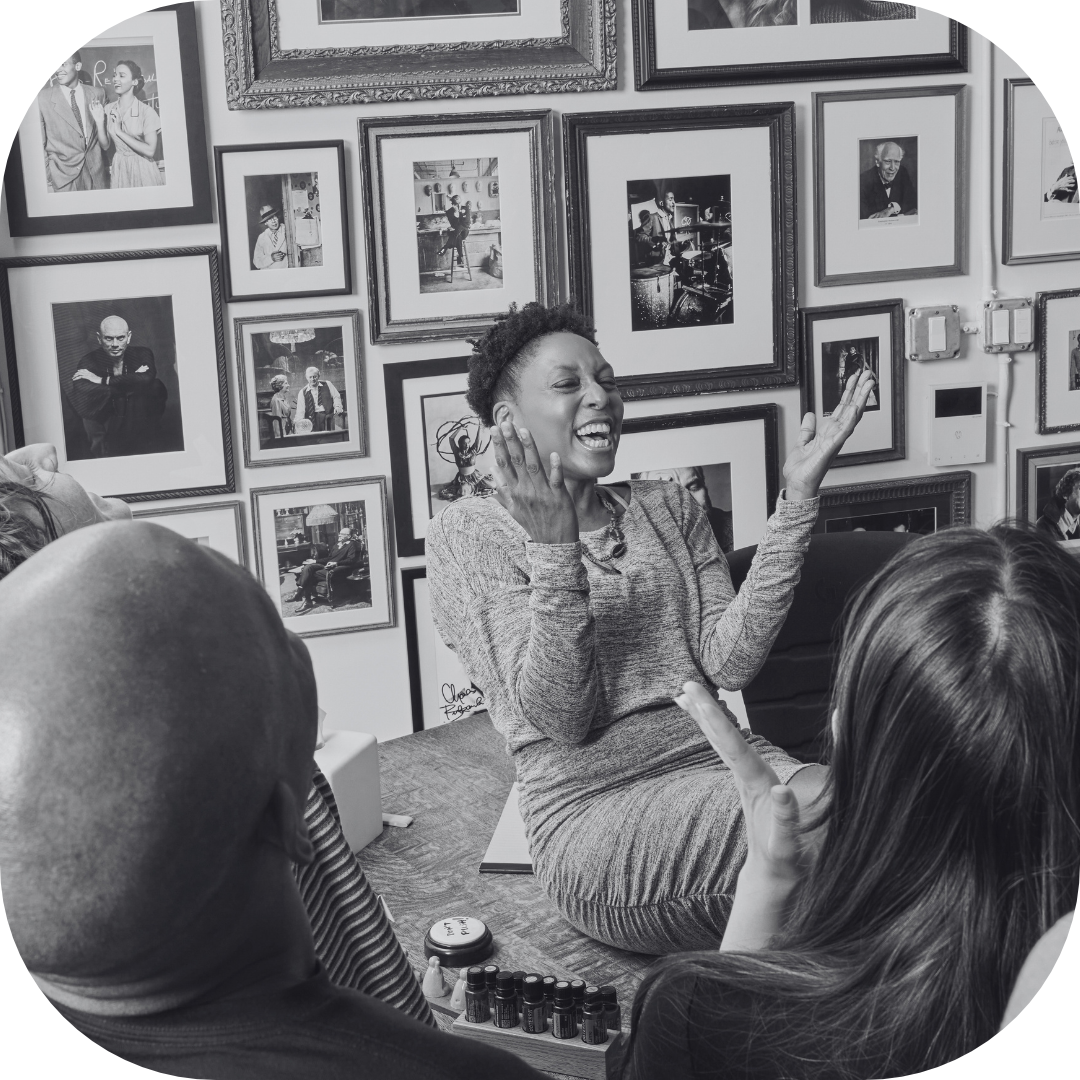
Actors waste years asking the wrong questions. They chase the best acting classes, the right acting coach, or the fastest way into the industry. What to consider when choosing acting school is not about convenience. It is about craft, discipline, and whether the training will actually prepare you for a professional career.
If you are serious about acting and looking at acting classes NYC has to offer, slow down and make an informed decision. The right acting school will shape your instincts, your process, and your ability to create truthful work. The wrong one will cost you time you cannot get back.
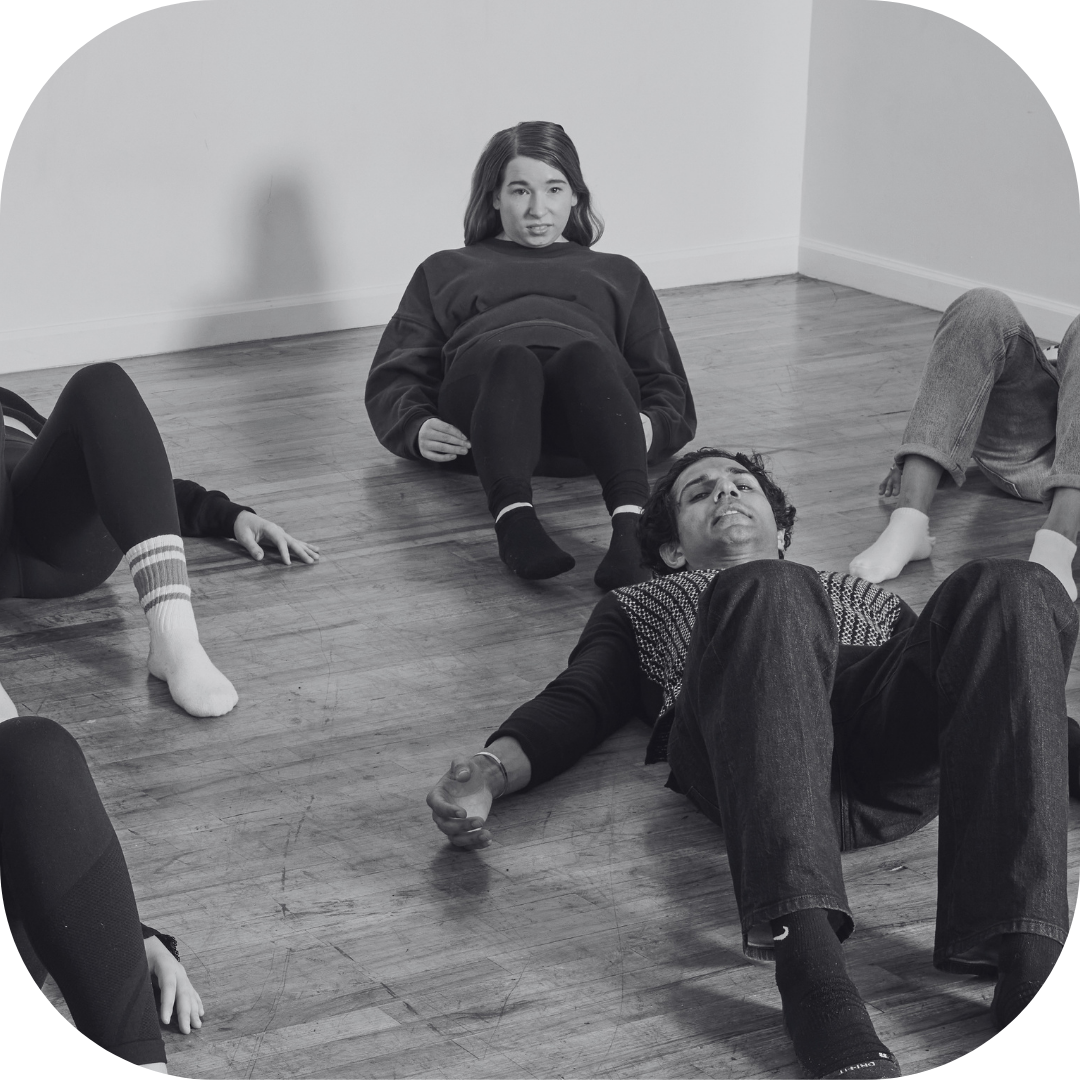
If you're asking how to tell if an acting class in NYC is legitimate and not a scam, you're already ahead of the game. You're thinking like a professional.
Let me be clear. Real acting classes in NYC don’t promise stardom or ask for money up front. They don’t sell hype. They train artists. Period.
But this city is full of people looking to take advantage of eager, inexperienced actors.
They’ll flatter you, pressure you, and take your money before giving you anything of value. If you're serious about this work, you need to know how to separate the con artists from the real professionals.